
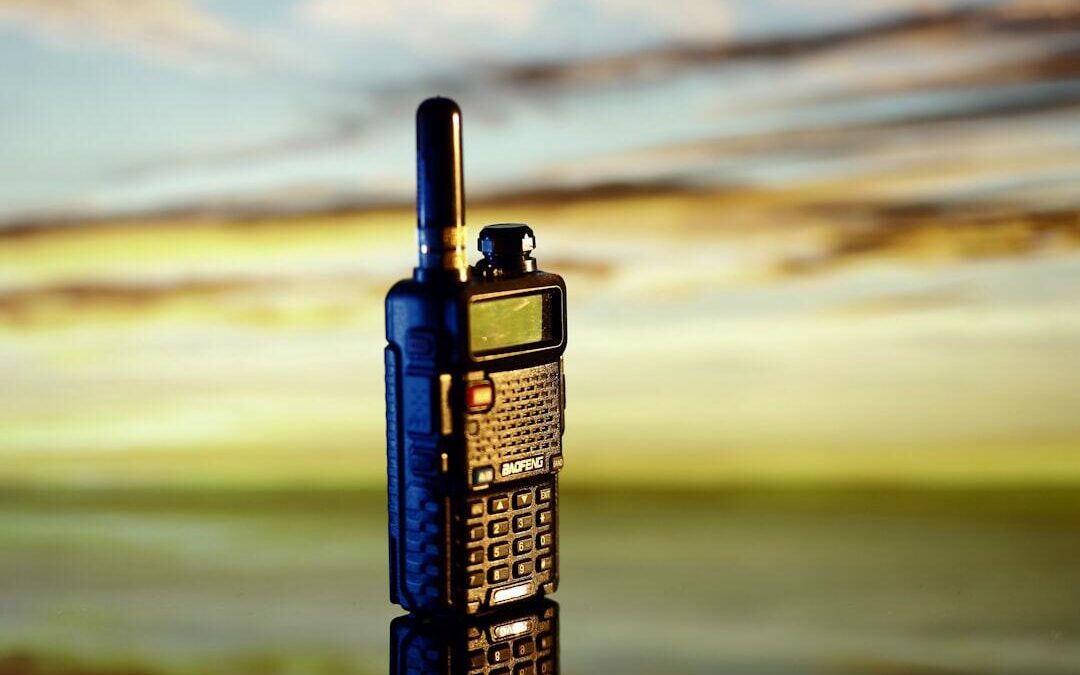
An emergency communications system can fail when dead generators and power loss interrupt mobile command center operations during crises. Blocked satellite signal line-of-sight can also disrupt connections, leaving teams without reliable communication channels. Cellular network tower overloads can create delays when emergency teams need fast information sharing and coordination.
USAFacts reports that 74 disasters were declared in 2026 between January and June, exceeding the five-year average and highlighting the demand for rapid emergency response. During these events, a mobile command center helps teams communicate, share updates, and make critical decisions.
Equipment failures can slow response efforts and increase risks for communities. Understanding these risks can help you take proactive steps to strengthen emergency readiness and improve communication reliability.
What Training Do Emergency Responders Need to Operate Mobile Vehicles?
Emergency responders need training in:
- Communication tools
- Vehicle operations
- Emergency procedures
- Equipment setup and maintenance
- Incident coordination protocols
Training helps teams operate systems, identify problems, and coordinate responses during emergencies. Experienced operators can manage a mobile command unit and support field operations during complex incidents.
How Do Mobile Command Centers Maintain Cybersecurity During Field Operations?
Mobile command centers can maintain cybersecurity through:
- Secure networks
- Access controls
- System updates
- Data encryption
- User authentication
- Security monitoring
These protections help prevent unauthorized access and keep critical systems secure during field operations. Strong cybersecurity measures allow emergency teams to protect sensitive data while maintaining reliable communication during incidents.
6 Catastrophic Mobile Command Center Failures During a Crisis
A fully functional mobile command center can improve coordination, communication, and decision-making during emergencies. Working with specialists like Comprehensive Communication Services (CCS) helps organizations prepare reliable solutions. Our team can support installation, maintenance, and disaster recovery planning to keep critical systems ready during crises.
1. Dead Generators and Power Loss
Power failures can disrupt mobile command center operations by affecting communication equipment and essential systems. Generator failures, damaged batteries, and fuel shortages can limit a team’s ability to coordinate during emergencies. A reliable power strategy helps reduce these risks through:
- Equipment inspections
- Backup power sources
- Routine maintenance checks
- Fuel supply management
- Battery performance testing
Regular checks help identify power issues before they interrupt critical communication systems. Backup solutions and proper maintenance keep mobile command centers operational when emergency teams need reliable support.
2. Blocked Satellite Signal Line-of-Sight
Satellite systems require clear connections between antennas and satellites to support reliable communication. Your emergency team may experience signal interference and connectivity problems due to:
- Buildings
- Terrain
- Weather conditions
- Incorrect positioning
- Equipment damage
A satellite uplink failure can limit information sharing when teams rely on remote connectivity during emergencies. Proper equipment placement and routine testing help maintain stable satellite connections and reduce communication disruptions.
3. Cellular Network Tower Overloads
Large disasters can place significant pressure on cellular networks as emergency teams, agencies, and the public compete for connectivity. High user demand can:
- Overload towers
- Reduce speeds
- Delay critical communication
- Interrupt data sharing
- Limit network availability
Emergency teams can improve reliability through a redundant network design that provides alternative communication paths. Multiple connection options help maintain contact when one network becomes unavailable and support faster coordination during crisis response efforts.
4. Incompatible Cross-Agency Radio Channels
Different radio systems can prevent emergency agencies from communicating during joint operations. Incompatible channels can delay updates, create confusion, and make it harder for teams to coordinate their response.
Emergency teams can improve communication by using compatible radio systems and shared protocols before incidents occur. Proper planning helps responders exchange information, manage resources, and work together during large-scale emergencies.
5. Overheated Hardware and System Crashes
Mobile command centers often operate for long periods under demanding conditions. Excessive heat can affect:
- Computers
- Servers
- Communication equipment
- Power systems
- Cooling components
High temperatures can reduce equipment performance and increase the risk of system failures during emergency deployments. Regular equipment monitoring, proper cooling systems, and preventive maintenance help keep critical technology operational when teams depend on reliable communication.
6. Critical Vehicle Mechanical Breakdown
A mobile command center depends on a reliable vehicle platform to reach affected areas and support emergency operations. Mechanical problems such as engine failures, tire damage, or equipment issues can delay deployment when teams need assistance.
Effective emergency response logistics help coordinate transportation, equipment movement, and resource availability during critical situations. Regular vehicle inspections and scheduled maintenance can reduce breakdown risks. Proper planning helps ensure the command center reaches the field when needed.
Frequently Asked Questions
How Do Mobile Command Centers Handle Extreme Winter Weather Conditions?
Mobile command centers use weather-resistant equipment and preparation plans to operate in extreme winter conditions. Teams can protect systems from snow, ice, and freezing temperatures through:
- Insulation
- Heating systems
- Regular equipment checks
- Weatherproof covers
- Cold-weather testing
Vehicle maintenance also helps prevent failures during cold weather deployments. Proper preparation allows communication tools, power systems, and other critical equipment to support emergency operations in winter conditions.
What Factors Influence the Deployment Speed of Mobile Command Centers?
How fast mobile command centers reach emergency locations often depends on:
- Vehicle condition
- Travel distance
- Road conditions
- Equipment readiness
- Team coordination
Pre-planned routes and organized supplies can help reduce delays during urgent situations. Regular inspections and clear deployment procedures help teams move efficiently. They also support faster communication when emergency response efforts need immediate assistance.
How Can Agencies Improve Coordination Before Large-Scale Emergency Events?
Agencies can improve coordination by creating shared response plans, communication procedures, and training programs before disasters occur. Clear roles help teams understand responsibilities and avoid confusion during emergencies. Agencies can also:
- Test communication systems
- Conduct joint exercises
- Establish resource-sharing agreements
- Review response procedures
- Coordinate emergency contacts
Better preparation allows different organizations to exchange information and manage resources during large-scale emergency events. It also helps teams work together more effectively when responding to disasters.
Strengthen Your Emergency Communications System During Crises
Mobile command centers rely on dependable systems to support communication, coordination, and decision-making during emergencies. Power failures, connectivity issues, and equipment breakdowns can affect response efforts when teams need reliable support.
At Comprehensive Communication Services (CCS), we design and build mobile communication platforms, command vehicles, and rapid-deployment solutions for emergency teams. Founded in January 2007, we have been operational for nearly two decades. Over this time, we have helped organizations improve their emergency communications system capabilities with reliable technology and integrated solutions.
Contact us today to explore communication solutions for your emergency operations.