
When a disaster strikes, emergency communications must work immediately, independently, and without relying on damaged local infrastructure. The most effective response plans depend on deployable systems that restore voice, data, and coordination within minutes, even when power grids and cellular networks are down. Mobile command-based communications give agencies a way to stay operational, informed, and connected when every decision carries real consequences.
At 2:14 a.m., a severe storm knocks out power across multiple counties, cell towers go dark, and dispatch centers begin losing visibility. Field teams still need real-time updates, command staff must coordinate resources, and public safety leaders cannot afford silence. This is the moment when prepared agencies separate themselves from overwhelmed ones, not through improvisation, but through communication systems designed for chaos, speed, and reliability in the first critical hour.
What Are Emergency Communications?
Emergency communications are the systems, tools, and processes used by government agencies and public safety organizations to share critical information before, during, and after a disaster. Their purpose is to move accurate instructions quickly between responders, decision-makers, and the public when normal communication channels may be disrupted or overwhelmed.
These crisis communication systems support coordination across agencies, guide first responders in the field, and provide the public with clear direction during high-stress situations.
- Alerts
- Radio traffic
- Internal briefings
- Public updates
- Recovery notices
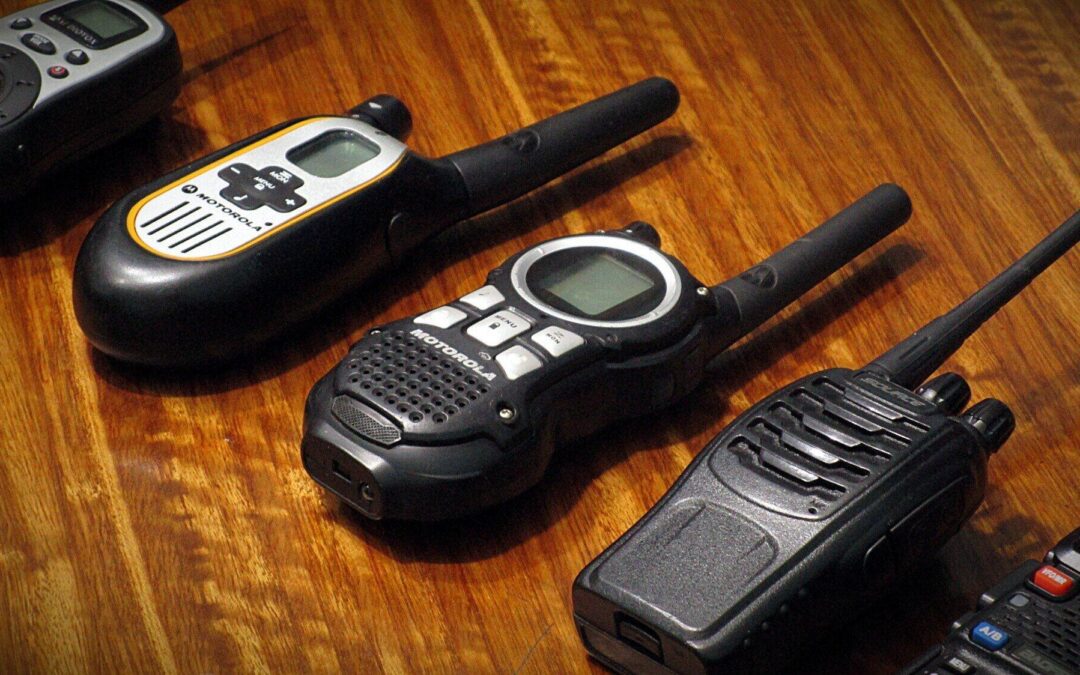
- Emergency response gadgets
All fall under the emergency communications umbrella, working together to reduce confusion and support timely action.
What Are the Types of Communication in Disaster Management?
Disaster management relies on several distinct types of communication, each serving a specific purpose at different stages of an emergency. Together, they create a continuous flow of information that supports preparedness, response, and recovery while reducing confusion and delays.
Operational communication connects emergency managers, command staff, and field responders. It includes:
- Radio traffic
- Secure messaging
- Situation reports
- Briefings
That allow agencies to coordinate resources and adjust tactics in real time. This type of communication prioritizes accuracy, speed, and interoperability across departments and jurisdictions.
Internal and continuity communication support the workforce behind the response with disaster preparedness tools. Agencies use it to manage staffing, relay policy changes, and maintain essential operations when normal routines are disrupted.
Decision Making With Safety Communication Devices
During a disaster, communication is not just about sharing information; it directly shapes decisions made minute by minute. Leaders rely on fast, filtered inputs to determine:
- Evacuations
- Resource deployment
- Public guidance
- Interagency coordination priorities
- Infrastructure shutdowns or service restoration timing
While delays or unclear messaging can stall action at critical moments.
Decision-focused communication prioritizes verified facts, clear escalation paths, and concise summaries rather than raw data streams. Situation reports and defined approval protocols help prevent overload while keeping leadership aligned. This structure allows agencies to act decisively even when conditions are changing rapidly.
When decision-making communication is well designed, it reduces second-guessing and conflicting directives. Everyone involved understands who decides what, how information moves upward, and how decisions move outward to responders and the public.
Timing Your Messages
In disaster situations, when a message is delivered can matter as much as what it says. Too few updates leave gaps that invite speculation, while too many can overwhelm responders and the public alike. Effective emergency communications establish a deliberate cadence that balances urgency with clarity.
Agencies plan update intervals based on the type of incident and audience needs. Short, scheduled updates help maintain trust and predictability, especially during prolonged events. Even when there is no new information, acknowledging that conditions are being monitored reassures the public and internal teams that communication lines remain active.
A consistent cadence also supports coordination across departments. Field teams, leadership, and partner agencies know when to expect information and when decisions will be communicated.
FAQs
What Are 5 Examples of an Emergency Situation?
Emergency situations are events that demand immediate action with communication equipment to protect lives, property, or essential services. Common examples include severe weather events such as:
- Hurricanes
- Wildfires
- Floods
- Extreme winter storms
That force evacuations and disrupt daily life. Major power outages or infrastructure failures can become emergencies when hospitals, water systems, or transportation are affected. Public health crises, including disease outbreaks or contaminated water supplies, require fast, coordinated guidance to limit harm.
Industrial accidents or hazardous material incidents, such as chemical spills or train derailments, create urgent safety threats for nearby communities. Acts of violence or security emergencies, including active shooter situations or large public disturbances, also fall into this category because timely, accurate communication is critical to saving lives.
How Often Should Government Agencies Test and Update Their Emergency Communication Plans?
Government agencies should test and update their emergency communication plans on a regular, structured schedule rather than waiting for a major incident to expose gaps. Core systems benefit from routine checks throughout the year to confirm alerts send correctly, contact lists remain accurate, and backup tools function as expected.
Full-scale exercises are typically conducted annually or alongside broader emergency preparedness drills. These tests reveal:
- Timing issues
- Coordination breakdowns
- Clarity problems
- Technology or system failures
- Role confusion among teams
That are easy to miss in theory.
Updates should follow every exercise, real-world incident, or major operational change. Staffing shifts, new technology, population growth, and evolving risks all affect how communication plans perform.
How Do Agencies Adapt Emergency Messaging for Rural or Hard-To-Reach Areas?
Agencies adapt emergency messaging for rural or hard-to-reach areas by assuming that modern connectivity may fail and planning around that reality. Instead of relying on one channel, they spread messages across:
- Radio
- Landlines
- Mobile loudspeakers
- Satellite tools
- Trusted local partners
Messages are kept short, clear, and repeatable so they work over voice-based systems and can be relayed accurately person to person. Scheduled update windows help residents know when to listen in. That reduces confusion and rumors spread when access is limited.
Local knowledge drives delivery. Agencies map coverage gaps, identify gathering points, and coordinate with volunteer responders, utilities, and community leaders who can move information where digital networks cannot.
Invest in Emergency Communications Today
When every second counts and local infrastructure can’t be trusted, preparedness with emergency communications stops being optional. Comprehensive Communication Services designs custom Mobile Emergency Response Centers that deliver power, connectivity, and command capability anywhere conditions demand it.
If your agency or organization needs communications that hold steady when everything else fails, start the conversation now.